By Balogun Kamilu Lekan
Africa is the world’s second-largest continent and covers an area of approximately 30 million square kilometres. It is home to 54 countries and over 1.3 billion people.
The black continent has a diverse range of landscapes, from vast deserts to lush rainforests, and is home to a wide variety of wildlife.
The massive Sahara Desert, the world’s largest subtropical desert, dominates the central and northern parts of the continent. Kilimanjaro, the highest peak on the continent, standing at 5,895 meters, is located in East Africa. Additionally, the continent is home to several of the largest river basins globally, including the Nile, Congo, and Niger rivers.
Below are the top 10 largest countries in Africa by area:
1. Algeria – 2,381,741 square kilometres

Algeria is a large country in North Africa, covering an area of approximately 2.38 million square kilometres. It is the largest country on the African continent and the tenth largest in the world.
The landmass of Algeria is primarily made up of the Sahara Desert, which covers over 80% of the country’s territory. The northern region of Algeria, known as the Tell Atlas, is a mountainous area that runs along the Mediterranean coast.
The highest peak in Algeria, Mount Tahat, is located in the southern part of the country, in the Ahaggar Mountains.
2. Democratic Republic of the Congo – 2,344,860 square kilometres

The Democratic Republic of the Congo (DRC) is a large country in Central Africa, spanning over 2.3 million square kilometres. The country is Africa’s second-largest
The DRC’s landmass is dominated by dense rainforests, which span over 60% of its territory and include the Congo Basin, the world’s second-largest rainforest. The country also has several large rivers, notably the Congo River, Africa’s second-longest river after the Nile.
3. Sudan – 1,878,000 square kilometres

Sudan is a huge northeastern African country covering approximately 1.86 million square kilometres. Its neighbours are Egypt, Libya, Chad, Central African Republic, South Sudan, Ethiopia, and Eritrea. The landscape in Egypt is generally flat, with the Nile River flowing through the centre and the Red Sea coast to the east.
The climate in most regions is arid and desert-like, except the southern portion, which has a more tropical climate. Sudan’s landmass is home to a vast diversity of plant and animal species, including elephants, lions, and giraffes, as well as major crops such as sorghum and cotton.
4. Libya – 1,759,540 square kilometres

Libya is a North African country with a land area of approximately 1.76 million square kilometres. Several nations border it, including Tunisia, Algeria, Niger, Chad, Sudan, and Egypt. The Libyan Desert covers much of the country, and the topography is largely bleak and desert-like.
The coastline is approximately 1,770 kilometres long, with the Gulf of Sidra to the east and the Mediterranean Sea to the north.
Libya’s landmass supports a diverse range of plant and animal life, including desert-adapted species like gazelles, hyenas, and scorpions.
5. Chad – 1,284,000 square kilometres

Chad is a huge landlocked country that stretches across north-central Africa. It has a total area of 1,284,000 square kilometres.
Chad is Africa’s fifth largest country and, after Sudan, the second largest in the Sahel region. Chad’s land surface features a wide range of geographic contrasts. The wide northern third is in the Sahara Desert and is sparsely populated, with only 1% of Chad’s people living there.
6. Niger – 1,267,000 square kilometres

Niger Republic has a land area of almost 1,270,000 km2 (490,000 sq mi), making it West Africa’s second-largest landlocked country after Chad. The Sahara covers more than 80% of its land area. Its mostly Muslim population of around 25 million people is concentrated primarily in the country’s south and west.
It is one of West Africa’s major inland countries and has historically linked North and Sub-Saharan Africa.
7. Angola – 1,246,700 square kilometres

Angola is a country in central Africa on the west coast, around 700 kilometres south of the equator. The land area is 1,246,700 km2 (481,353 mi2), and the shoreline is 1,600 km (994.2 mi). This land area accounts for approximately 179% of Texas’ total land area.
Angola, formally the Republic of Angola, is the seventh-largest country in Africa, with 1,246,700 km2. There are 18 provinces in the country. Cabinda, the country’s northernmost province, is an enclave divided from the rest of the country by the Democratic Republic of the Congo.
8. Mali – 1,240,190 square kilometres

Mali is Africa’s eighth-largest country, covering an area of about 1,240,000 square kilometres (480,000 sq mi). Mali has a population of 21.9 million people.
The West African country is landlocked in and on the Sahara Desert in West Africa.
Despite being one of Africa’s largest countries, Mali has a comparatively tiny population.
9. South Africa – 1,219,090 square kilometres

South Africa is twice the size of France and five times the size of the United Kingdom. With an area of 1.2 million square kilometres. It is the 9th largest African country behind Mali.
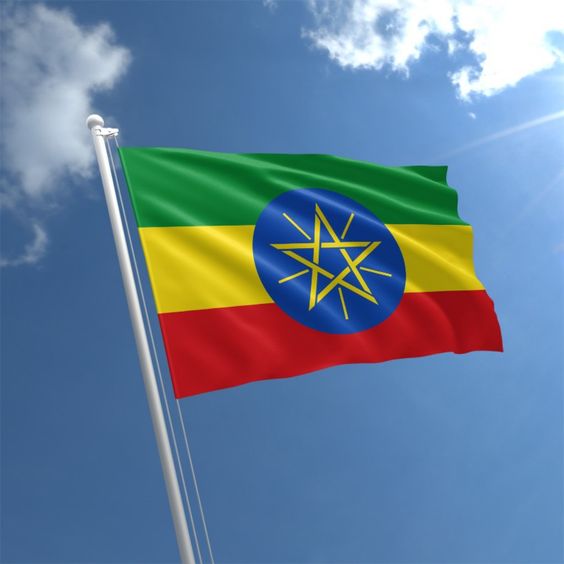
10. Ethiopia – 1,136,240 square kilometres

Ethiopia has a total land area of 1,100,000 square kilometres and is located in the Horn of Africa. As of 2022, it is home to around 113.5 million inhabitants.
This land area accounts for approximately 159% of Texas’ total land area. As a result, Ethiopia is one of Africa’s largest countries and the world’s 27th largest.
Disclaimer
The information in this article was curated from online sources. NewsWireNGR or its editorial team cannot independently verify all details.
Follow us on Instagram and Facebook for Live and Entertaining Updates.
Always visit NewsWireNGR for the latest Naija news and updated Naija breaking news.
NewsWireNGRLatest News in Nigeria
Send Us A Press Statement/News Tips on 9ja Happenings: [email protected].
Advertise With Us: [email protected]